Learning-Based Adaptive MPC for Magnetorquer-Only Satellite Attitude Control
pip install raddo[cuda13]
How do we adapt autonomy for solar system exploration?
Abstract
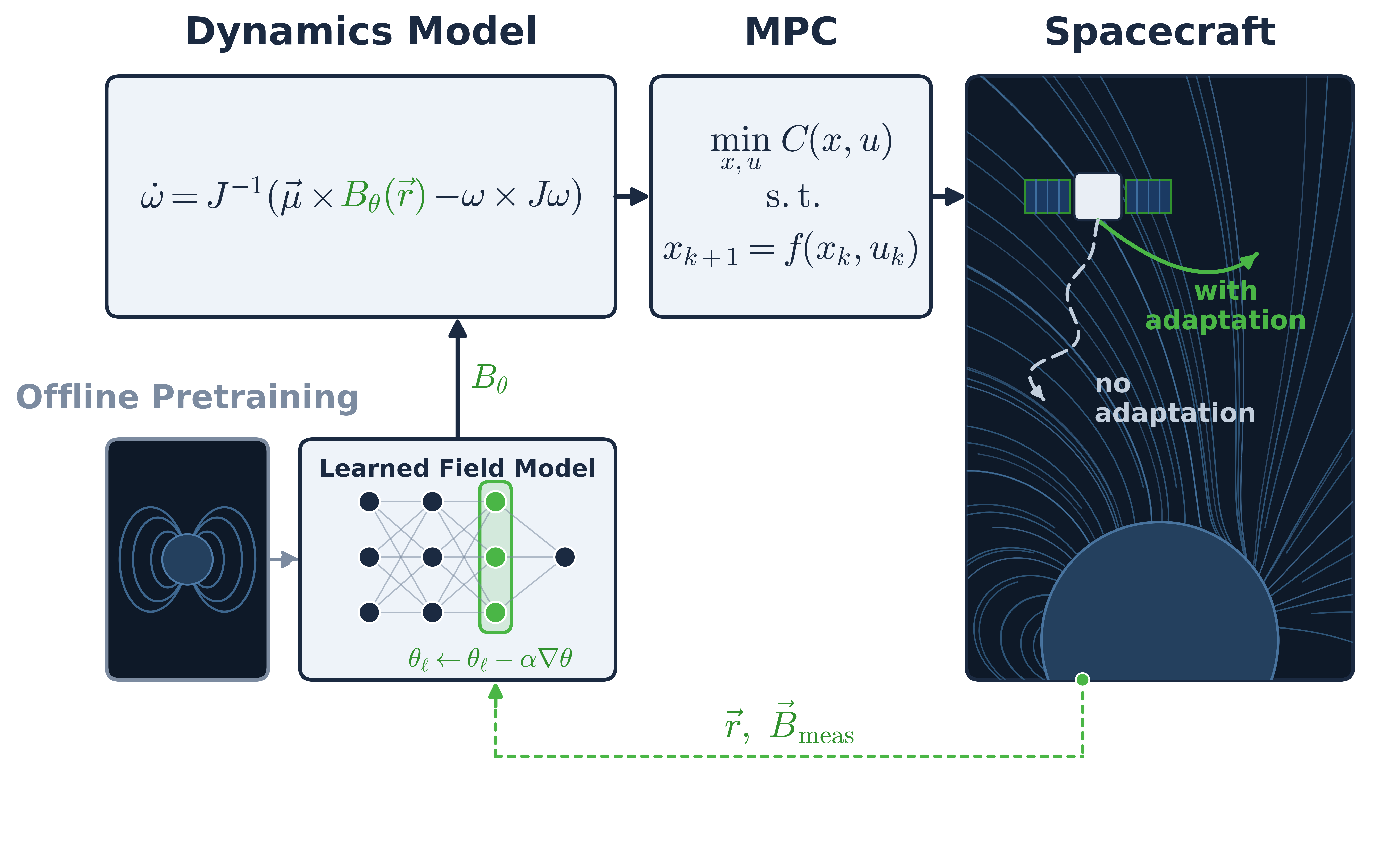
Nanosatellites (e.g., CubeSats) have the potential to carry out useful science and exploration activities for outer solar system exploration, but their small size leads to tradeoffs between attitude control and science capabilities. Magnetorquers offer a unique compromise as compact actuators that enable three-axis attitude control, but suffer from a loss of control authority and require full knowledge of the planetary magnetic field. In this work, we present a learning-based adaptive model predictive control (MPC) algorithm that plans rotational trajectories for the satellite while accounting for this loss of control authority. Key to our approach is the inclusion of a learned magnetic field model that is trained in simulation using low-fidelity magnetic field data. Using measurements collected online, our proposed algorithm adapts this learned magnetic field model using a simple last-layer update scheme, allowing the MPC controller to quickly adapt to the true planetary magnetic field model and more effectively plan attitude trajectories. We demonstrate the results of our proposed approach for two use cases, (1) Earth-orbit and (2) Uranus-orbit, and show that our learning-based adaptive MPC algorithm improves controller success for these system simulations by 5% and 61%, respectively.
Uranus Magnetic Field
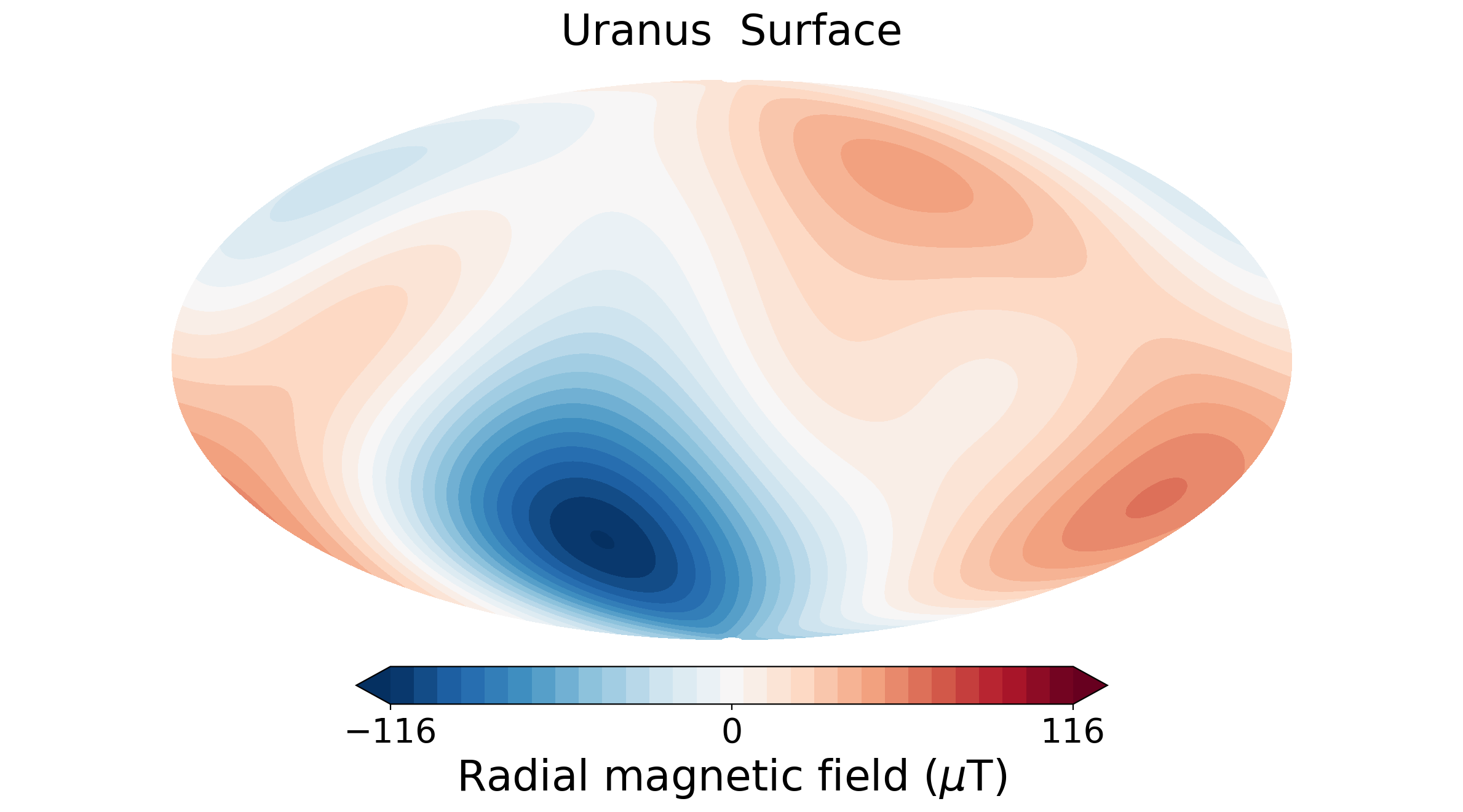
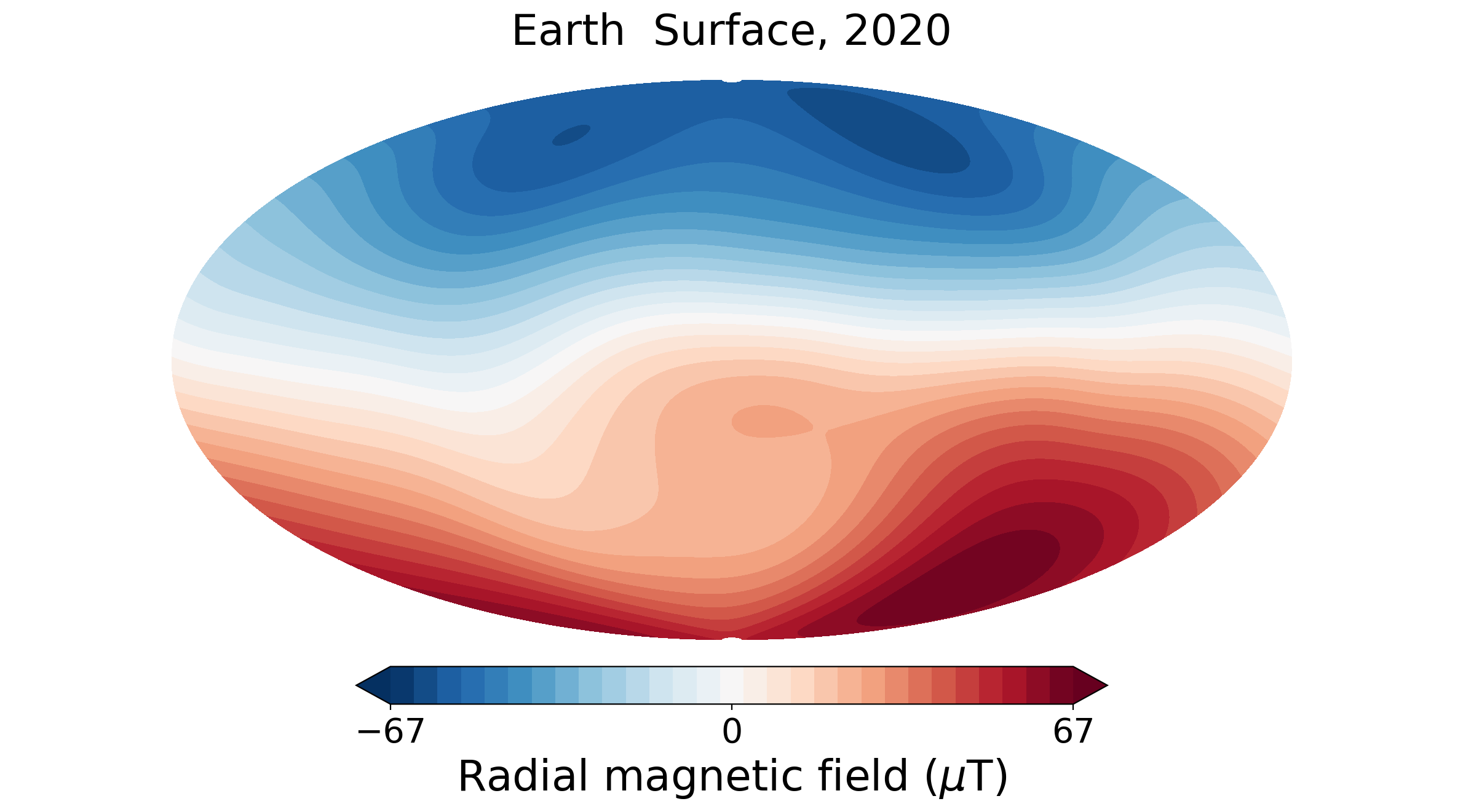
Uranus has a unique magnetic field, and understanding it better can provide new insights. However, there is high-uncertainty around current models.
Field visualization code via planetMagFields (Barik & Angappan, 2024).
RADDO - Rapidly Adapting Data-Driven Optimization
pip install raddo[cuda13]
We developed an open-source, JAX-based, GPU-accelerated, and differentiable trajectory generation and learning pipeline. The library is designed to be modular so that you can adapt it to your own problems. Get started here
 .
Timings measured on an NVIDIA GeForce RTX 5090.
Explore our results
Modify the plots by changing the options in the drop-downs underneath the plots to explore our data.
BibTeX
@article{SchwartzCauligi2026,
  title={Learning-Based Adaptive MPC for Magnetorquer-Only Satellite Attitude Control},
  author={Patrick Schwartz and Abhishek Cauligi},
  journal={International Conference on Space Robotics 2026},
  year={2026},
  url={https://arxiv.org/abs/2610.20280}
}